Avec mon aimable autorisation, je reproduis ici l’entretien que j’ai donné à l’excellent Rémi Noyon du Nouvel Observateur, qui l’a publié en ligne le 10 novembre dernier, jour d’ouverture de la COP-30 à Belèm.
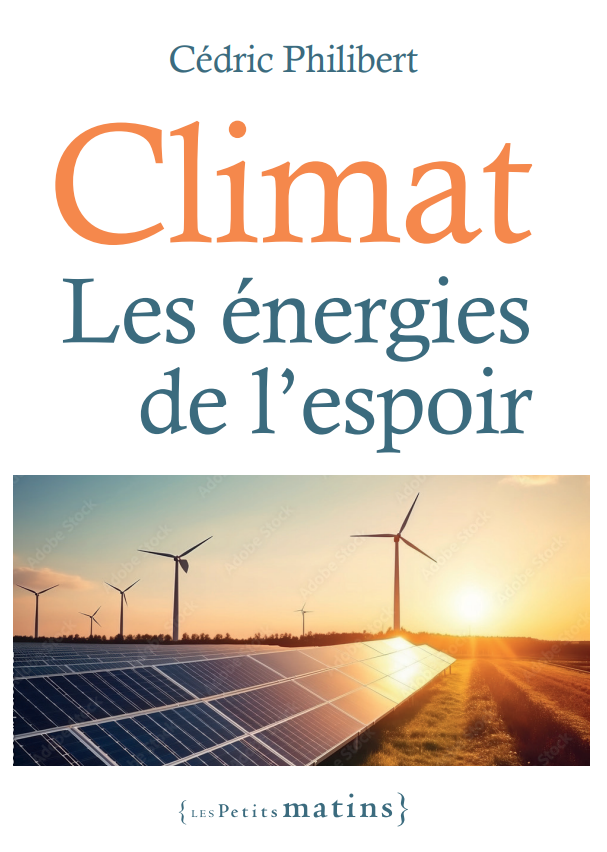
Alors que les nouvelles du front climatique sont souvent bien sombres, des optimistes sont convaincus que nous sommes en train de vivre les prémisses d’une véritable révolution énergétique. Cédric Philibert est l’un d’eux. Ce spécialiste des politiques de décarbonation qui a travaillé près de vingt ans à l’Agence internationale de l’Energie (AIE), vient de publier un ouvrage dont le titre résume le propos : « Climat. Les énergies de l’espoir » (Les Petits Matins). Nous l’avons rencontré pour essayer de nous remonter le moral.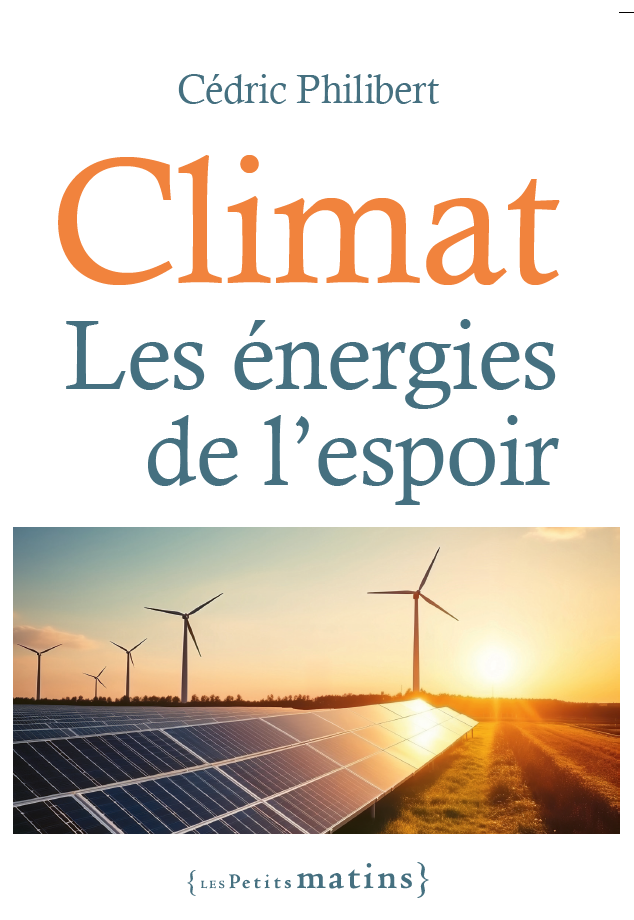
A vos yeux, nous sommes en train de vivre une véritable révolution énergétique. Quelle est-elle ?
Le déploiement de l’énergie solaire est si rapide qu’il surprend même les analystes les plus optimistes. Il faut prendre la mesure de ces chiffres. En 2010, on installait 1 GW de solaire par mois. En 2015, il ne fallait plus qu’une semaine. En 2023, plus qu’un jour. Environ 585 GW furent installés en 2024. C’est la Chine qui tire cette incroyable croissance, qui a des allures d’exponentielle. Quand on me dit : « On fera des efforts quand les Chinois en feront », j’ai envie de hurler. Non seulement la Chine verdit son électricité, mais elle électrifie toute son économie : panneaux solaires, éoliennes, batteries, voitures électriques…
Continuer la lecture →

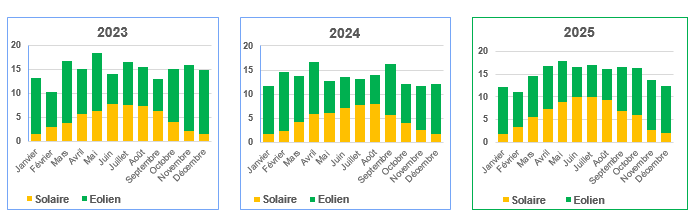 J’ai mis sur ces graphiques les productions éoliennes et solaires en France en pourcentage de la demande d’électricité. On peut en tirer deux informations: